The Art of Building a Balanced Plate
Build balanced meals with the plate method: half produce, lean protein, smart carbs, and healthy fats to boost energy and satiety.
The Foundation of Balance
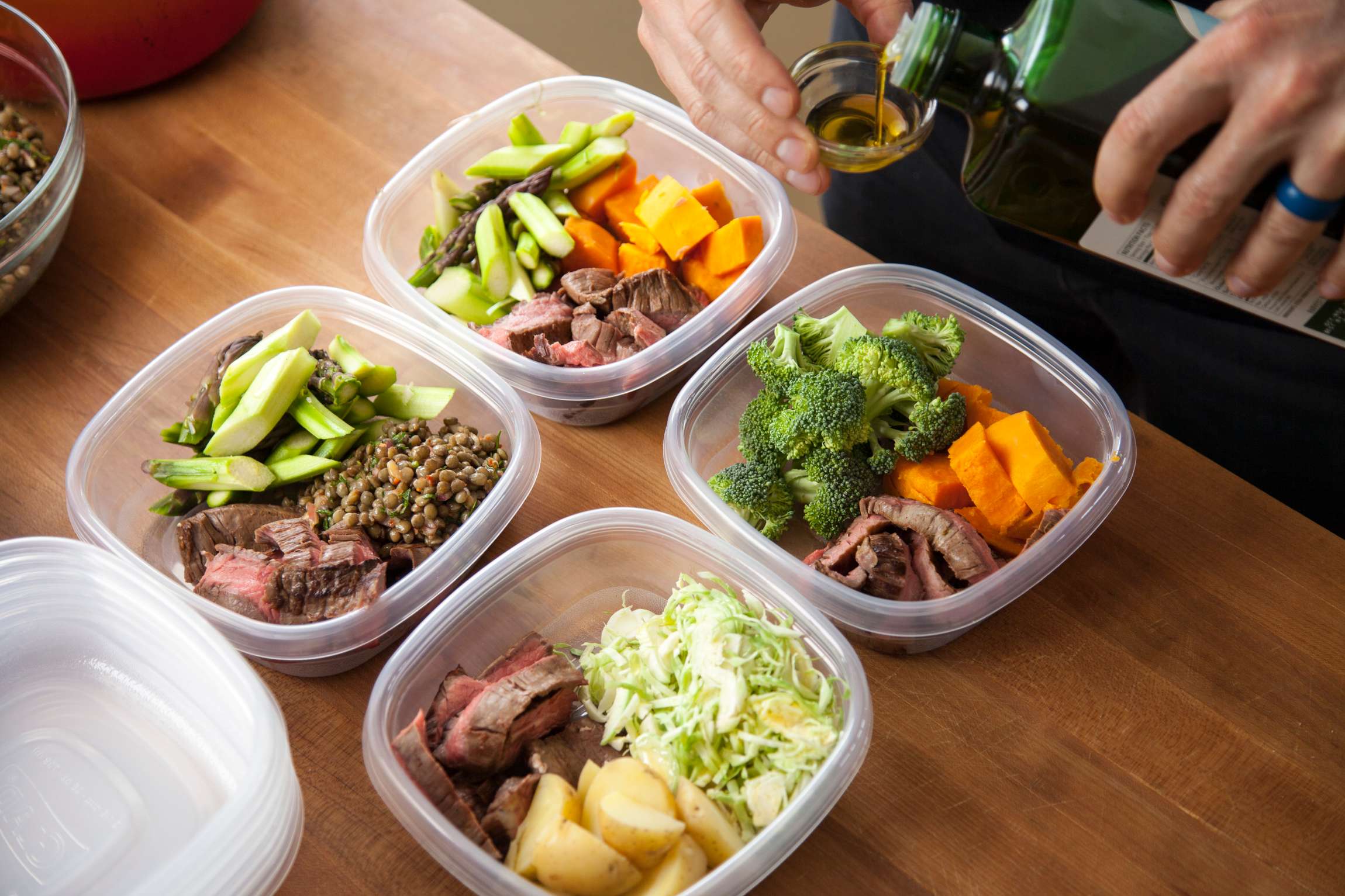
A balanced plate starts with a clear purpose: provide steady energy, support recovery, and keep you satisfied without feeling heavy. Think in food groups rather than strict rules. Build each meal around three anchors: protein, fiber-rich carbohydrates, and healthy fats, then add color and crunch with non-starchy vegetables. Protein aids muscle repair and satiety, coming from beans, lentils, tofu, eggs, yogurt, poultry, or fish. Carbohydrates deliver quick and stored energy; prioritize whole grains and starchy vegetables to pair fuel with fiber and micronutrients. Healthy fats from olive oil, nuts, seeds, and avocado help absorb fat-soluble vitamins and deepen flavor so meals feel complete. A simple visual guide is making half your plate vegetables, one quarter protein, and one quarter whole grains or other complex carbs, adjusting up or down based on appetite and activity. Season generously with herbs, spices, citrus, and a pinch of salt for satisfaction. Finally, include water or an unsweetened beverage, because gentle hydration amplifies everything else.
Mastering Portions and Proportions
Portion sizes are personal, but patterns help. Use your hand as a flexible guide: a palm of protein, a cupped handful of whole-grain or starchy carbs, two cupped handfuls of non-starchy vegetables, and a thumb of healthy fats. Highly active days may call for a bit more carbs; quieter days may emphasize vegetables and lean proteins. Notice energy density: a tablespoon of nuts carries more calories than a cup of berries, yet both can fit beautifully when balanced. Build volume with vegetables and watery foods like cucumbers, tomatoes, and leafy greens to enhance satiety without overshooting your needs. Keep sauces intentional; a drizzle of olive oil or tahini adds flavor and nutrients, while heavy creams can crowd the plate. If you snack, treat it like a mini plate—pair protein with fiber (for example, yogurt with fruit and seeds) to manage hunger between meals. Above all, let comfort, performance, and taste be the ongoing feedback loop that fine-tunes your proportions.
Color, Variety, and Nutrient Density
Variety is a quiet superpower. Aim for multiple colors across your week to diversify micronutrients and plant compounds. Dark leafy greens deliver folate and magnesium; orange squash and carrots offer beta-carotene; tomatoes and red peppers bring lycopene and vitamin C; purple berries and cabbage supply anthocyanins. Mix raw and cooked vegetables to change textures and unlock different benefits—cooking tomatoes boosts lycopene availability, while raw greens supply fragile enzymes. Choose nutrient-dense staples: whole grains over refined, legumes over ultra-processed options, and minimally sweet fruit over sugary desserts. Layer in fermented foods like yogurt or kefir for friendly bacteria, and sprinkle herbs, garlic, turmeric, or ginger for anti-inflammatory flair. When using healthy fats, remember they assist absorption of fat-soluble vitamins A, D, E, and K; a small splash of olive oil over roasted carrots can make the nutrients more usable. Pursue variety with curiosity, not perfection—small, consistent shifts compound into vibrant, balanced plates.
Timing, Mindfulness, and Satiety Signals
How you eat matters as much as what you eat. Mindful eating helps you notice hunger, satisfaction, and how foods make you feel. Sit when possible, take a few breaths, and let your senses register aroma and texture. Chew thoroughly and put utensils down between bites; this slows the meal so satiety signals catch up. Balanced timing supports steady energy: plan predictable meals, and add a smart snack if long gaps lead to overeating later. Before activity, favor easily digested carbohydrates with a little protein; after, rebuild with protein, fluids, and electrolytes from produce or lightly salted foods. Stay attentive to hydration all day, since thirst can masquerade as hunger. Adequate sleep and stress management also shape appetite hormones and cravings, making balance easier to maintain. Treat indulgent foods as part of the pattern, not a failure—savor them slowly, then return to your usual anchors at the next meal.
Practical Strategies for Real-Life Plates
Turn principles into habits with simple systems. Start a rotating list of favorite balanced meals—think grain bowls with beans, colorful salads with eggs or tofu, hearty soups with legumes and vegetables, or stir-fries over whole grains. Batch-cook staples like quinoa, brown rice, roasted vegetables, and a versatile protein so assembly is quick on busy days. Keep a snack kit—fruit, nuts, yogurt, hummus, whole-grain crackers—so balanced options are always within reach. When dining out, scan for plates that pair protein, fiber, and healthy fats, and ask for extra vegetables or sauces on the side. Budget-conscious? Buy seasonal produce, choose dried beans, and use frozen fruits and vegetables; they're nutrient-rich and convenient. Honor cultural foods you love by adjusting proportions rather than replacing traditions. Most importantly, prioritize flavor—a squeeze of citrus, fresh herbs, toasted spices, and a crunchy element turn balance into something you crave, not just something you know.