Mobility Routines That Boost Athletic Performance
Boost speed, power, and durability with daily mobility: dynamic warm-ups, joint care, and recovery flows that refine mechanics and cut injury risk.
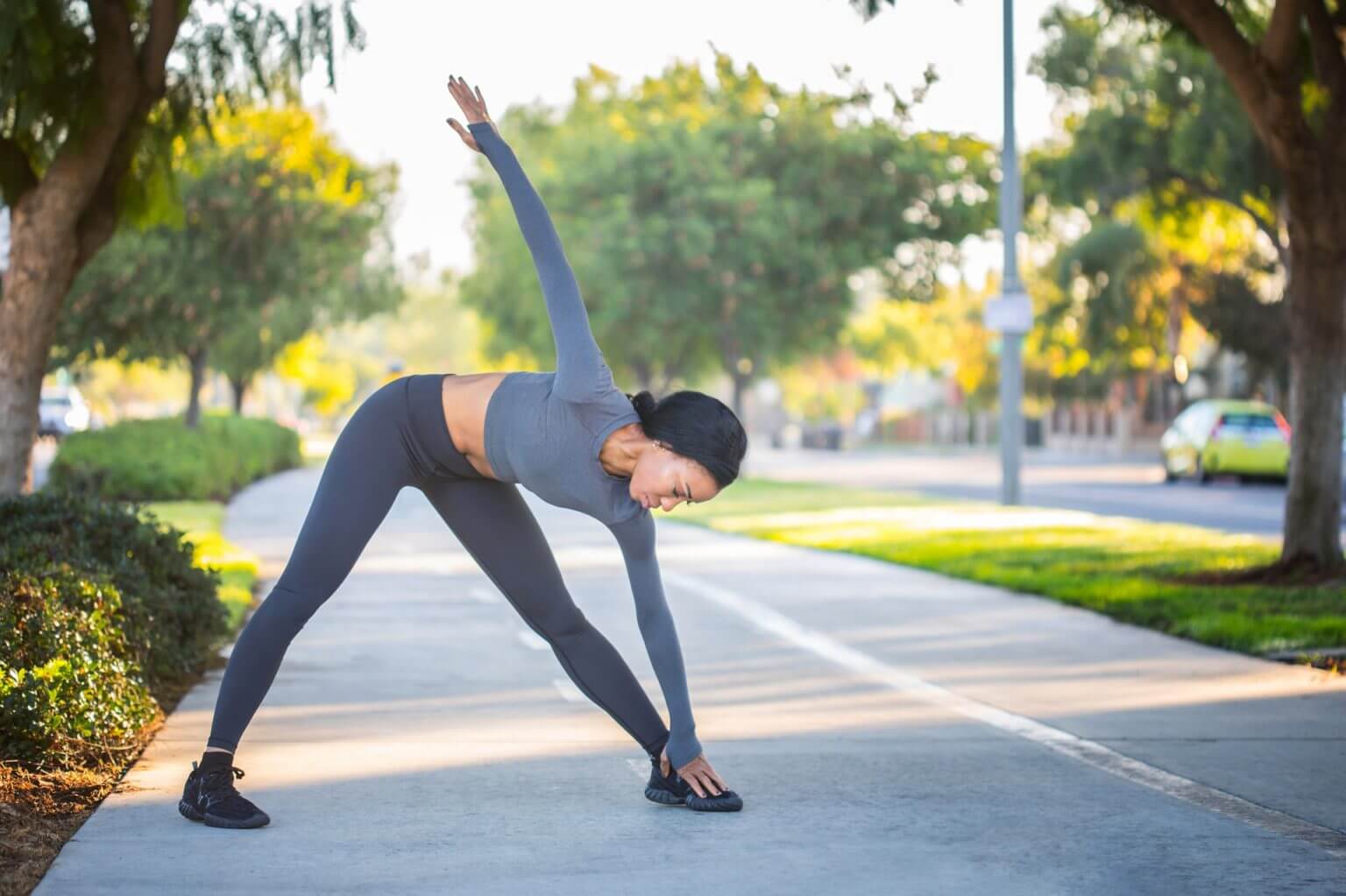
Dynamic Warm-Up Foundations. Before chasing speed or power, prime the body with a dynamic warm-up that elevates temperature, increases synovial fluid circulation, and sharpens neuromuscular readiness. Favor movement over static holds: think inchworms, leg swings, arm circles, and low-intensity skips that ramp toward game pace. Layer in controlled articular rotations (CARs) for neck, shoulders, hips, and ankles to explore end ranges under control, teaching the nervous system to own those positions. Use a smooth tempo, relaxed jaw, and steady nasal breathing to reduce unnecessary tension. Move from ground-based drills to upright patterns, progressing from linear to lateral demands to prepare for sport chaos. Keep cues simple: tall posture, active feet, long spine, ribs stacked over pelvis. Finish with short activation sequences—glute bridges, banded walks, or calf raises—to light up key stabilizers. The result is a body that moves with better range of motion, timing, and tissue elasticity, translating warm-up minutes into superior performance and fewer compensations once intensity rises.
Hip Mobility For A Powerful Stride. Strong hips are the engine of athletic movement, and hip mobility is the crankshaft that lets that engine turn efficiently. Address both flexion and extension so you can sprint, cut, and squat without leaking force. Start with 90/90 transitions to groove external and internal rotation, keeping the spine tall and the hips initiating the motion. Add lunge variations with a posterior pelvic tilt to open the front of the hip while maintaining core engagement. Blend isometrics and gentle contract–relax work to teach tissues to tolerate and control new ranges. Include hip CARs to map end ranges daily, and pair mobility with glute activation—single-leg bridges, step-downs, and lateral band walks—to convert new motion into usable strength. Don't forget the adductors: long-groin rocks, Copenhagen variations, and lateral lunges build stability in change-of-direction scenarios. Over time, supple yet strong hips enhance stride length, reduce knee stress, and make acceleration and deceleration feel smoother and more reactive.
Thoracic Freedom For Rotation. The thoracic spine is a rotational hub that links the lower body's force to the upper body's output. When it's stiff, shoulders overwork and hips compensate. Build rotation and extension capacity with open books, thread-the-needle flows, and foam roller extensions that emphasize rib movement, not low-back hinging. Breathe into the back of the ribs, using slow inhales to expand the upper thorax and long exhales to stack the ribcage over the pelvis. Layer in scapular control: wall slides with a reach, serratus punches, and prone Y/T/W lifts teach the shoulder blade to glide on a mobile thorax. For athletes who throw, swing, or paddle, integrate half-kneeling chops and lifts to couple hip drive with T-spine rotation. Keep reps crisp and ranges honest—quality beats force. As thoracic freedom improves, you'll notice cleaner arm swing in running, smoother overhead positions, and more efficient transfer of rotational power without the nagging tightness that slows you down.
Ankles And Feet: The Performance Base. Powerful movement starts at the ground, and ankle mobility sets the angle for effective force application. Prioritize dorsiflexion to allow deeper, safer knee travel in sprints, squats, and landings. Use knee-to-wall assessments to guide daily practice, then apply targeted work: calf and soleus eccentrics, tibialis raises, and gentle banded joint mobilizations to encourage clean talus glide. Train foot intrinsic strength with short-foot drills, big-toe presses, and controlled heel raises, keeping the ankle stacked and the arch responsive. Sprinkle in pogo hops and low-amplitude skipping to build tendon stiffness and elastic recoil without heavy fatigue. Address lateral stability through edge-of-foot isometrics and lateral line lunges to safeguard against awkward cuts. When ankles and feet can both move and stabilize, energy returns to the system like a spring, improving stride economy, landing mechanics, and change-of-direction quickness while decreasing the compensation patterns that creep up the chain.
Shoulder Mobility And Overhead Control. For throwing, serving, pressing, and swimming, the shoulder thrives on a blend of mobility and scapular rhythm. Start with scapular CARs and wall slides to coordinate upward rotation, posterior tilt, and protraction, spotlighting serratus anterior and lower trap. Use prone lift-offs and controlled face pulls to own end-range external rotation, then add isometric holds at challenging angles to cement stability. Gentle hangs can decompress tissues and open the overhead path; pair them with active retractions so the shoulder blade learns to move, not jam. Avoid cranking through pinchy ranges—let breath and gradual loading expand space. Finish with diagonal patterns like tall-kneeling presses or landmine arcs that integrate trunk control with arm motion. The outcome is smoother overhead mechanics, better bar path or release point, and reduced reliance on the neck and low back, allowing you to express speed and power without the tightness that dilutes accuracy and endurance.
Core Integration And Breathing Mechanics. A resilient core is more than six-pack strength; it's coordinated pressure management that transmits force between hips and shoulders. Start with diaphragmatic breathing, seeking 360-degree rib expansion on inhale and a stacked ribcage–pelvis position on exhale. Use dead bug and bear crawl variations to sync breath with limb motion, teaching reflexive stability under movement. Add anti-rotation work—pallof presses, tall-kneeling chops, side planks with reach—to resist unwanted motion while keeping the spine long and the ribs down. Progress to split-stance presses and rotational med-ball patterns that marry lower-body drive with upper-body output. Sprinkle isometrics and slow eccentrics to build time under tension without spinal shear. When breathing and bracing cooperate, you move with less stiffness and more elastic snap, cuts feel crisp, and overhead work stays stable. The result is an integrated system where force transfer is clean, energy leaks are minimized, and fatigue arrives later.
Recovery, Consistency, And Progression. Mobility sticks when it's dosed consistently and paired with smart recovery. Think small daily deposits: two to three focused drills for hips, thorax, or ankles, done with intent, will outperform marathon sessions done sporadically. Use an autoregulated approach—on tight days, extend breath work and low-load mobility; on fresh days, add loaded mobility and controlled eccentrics to strengthen end ranges. Track a few simple markers: knee-to-wall distance, 90/90 ease, or overhead reach quality. If range is improving but performance is flat, shift emphasis toward stability and pattern integration; if output is great but stiffness creeps in, increase recovery and downshift intensity. Treat warm-ups as practice and cooldowns as consolidation, capping sessions with easy nasal breathing to restore the nervous system. Over weeks, the compound effect is undeniable: smoother joints, better positions under speed, and a body that expresses strength and power without the friction of restriction.