How to Create a Sustainable Home Workout Routine
Build a realistic, energizing home workout plan you can stick to—balance strength, cardio, and mobility, set smart goals, and track progress.
Define Your Why and Your Baseline
Clarify why you want to move at home, and make it personal. Maybe you crave steady energy, less stress, sharper focus, or confidence in daily tasks. Tie your routine to intrinsic motivation rather than aesthetics alone; you are more likely to show up when it aligns with values like health, vitality, and independence. Translate that into SMART goals you can measure and celebrate, such as training three days per week or walking briskly for set minutes without stopping. Establish a baseline by noting how many push-ups, bodyweight squats, or minutes of low-impact cardio you can perform with good form, and how stiff or free your hips and shoulders feel. This is not a test of worth; it is a starting map. Write a simple, encouraging statement that reinforces an identity: I am someone who moves daily. Pair it with a cue, such as pressing play right after coffee, to anchor the habit in your routine.
Schedule for Consistency, Not Perfection
A sustainable plan thrives on consistency. Start by mapping your week and finding natural windows for movement, then protect them with time blocking like any important appointment. Build a minimum viable session—for example, 15 minutes of compound strength and brisk intervals—so that even busy days count. On open days, extend to 30–45 minutes, but keep the core structure familiar to lower decision fatigue. Sprinkle micro-workouts—a set of squats, a plank, and a mobility flow—between meetings to accumulate activity. Embrace buffer time around sessions for setup and cool-down, and batch tasks like laying out a mat or filling a bottle to reduce friction. Track streaks, not just duration, to reward showing up. Plan for flex days and accept swaps without guilt; sustainability beats intensity. Remember that progressive overload works even with small, steady steps when you show up regularly. Your routine should fit your life, not the other way around.
Shape a Space That Invites Movement
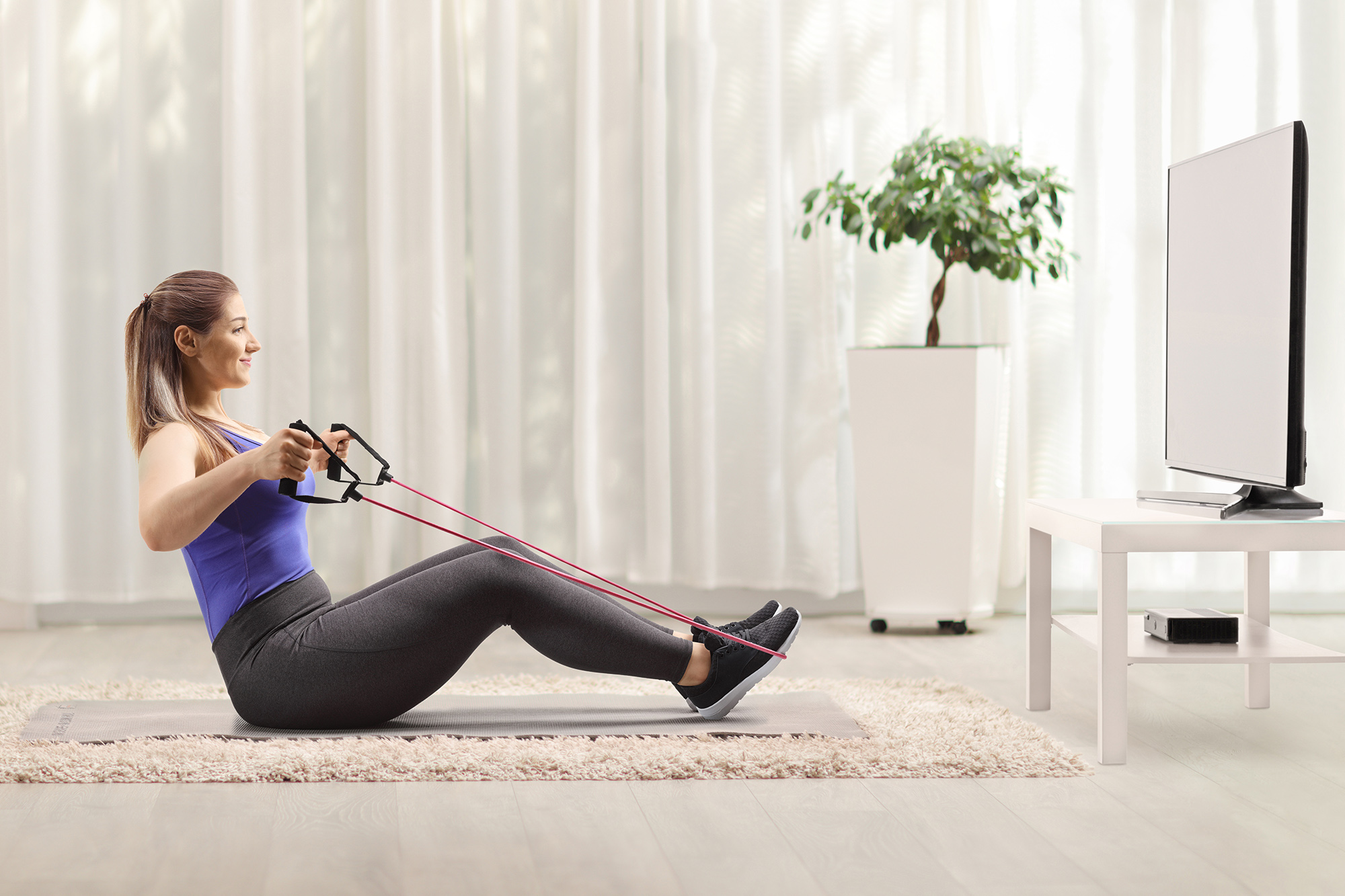
Design your environment so movement is the easy choice. Dedicate a corner to a functional setup: a non-slip mat, a stable chair or bench, a loop band, a pair of adjustable dumbbells, and a towel. Keep essentials visible and ready; environment design reduces friction and boosts follow-through. Ensure safety with clear floor space, solid footing, and good ventilation. If noise is a concern, favor soft surfaces and slower, controlled tempo work. Organize storage—a small bin for bands, a rack for weights—so cleanup is fast and future sessions start smoothly. Use natural light or a lamp to signal session time, and place a notebook or timer where you can see it. Consider a mirror for form checks, but avoid turning it into a judgment zone. Make the space pleasant: a plant, uplifting music, or a calming scent can become a cue. When your space consistently welcomes you, the habit feels lighter and more automatic.
Build a Balanced Plan You Can Repeat
Think balance, not burnout. A repeatable plan blends strength, cardio, mobility, and core so you feel better, move better, and perform better. For strength, use compound moves—squats, hinges, pushes, pulls, and carries—with variations that suit your equipment. For cardio, choose low-impact intervals like brisk marching, step-ups, or shadowboxing to raise your heart rate without pounding your joints. Add mobility flows for hips, thoracic spine, and ankles to keep movement smooth, and brief core work that challenges stability rather than just counting reps. Anchor sessions with a warm-up, two or three main strength sets, short cardio bursts, and a cool-down. Gauge intensity using RPE (rate of perceived exertion): aim for moderate on most days and save higher efforts for when you are well-rested. Rotate patterns across the week to avoid monotony and overuse. The best plan is the one you can repeat reliably while still feeling fresh.
Progress Gradually and Track What Matters
Sustainability rests on start small, then build. Increase only one variable at a time—load, reps, sets, or session length—so your body adapts. A simple progressive overload path: add one rep per set each week until you reach a target range, then nudge the weight. If time is tight, keep total minutes steady and compress rest slightly while maintaining clean technique. Track essentials: exercises, sets, reps, load, and a quick RPE note. Also log sleep quality and stress; they influence performance. Use habit stacking to attach prep tasks—filling a bottle, rolling out the mat—to existing routines. When you feel stuck, adjust the dial, not the goal: swap movements, change tempo, or insert a light deload week to recover. Expect plateaus; they are messages, not failures. Progress can be adding one perfect rep, reducing joint discomfort, or finishing a session with more control. Small, steady wins compound.
Recover Like It's Part of the Workout
Recovery is not optional; it is a core training variable. Prioritize sleep with consistent timing, a dark room, and a wind-down ritual to support muscle repair and hormonal balance. Stay hydrated throughout the day and aim for balanced meals that include protein for repair, carbohydrates for energy, and healthy fats for satiety and joint support. Before sessions, a light snack can fuel performance; after, a protein-forward meal aids recovery. Integrate short mobility sessions, gentle walking, and mindful breathing to shift your nervous system toward calm. Respect rest days as active opportunities: stretch, do low-intensity cardio, or practice balance drills. If soreness lingers or motivation dips, scale back intensity rather than abandoning the plan. Listen for signals—sleep disruption, nagging aches, or irritability—and adjust volume. Recovery habits make consistency possible; they protect your joints, sharpen focus, and keep the routine enjoyable for the long haul.
Make It Enjoyable and Stay Accountable
Enjoyment multiplies adherence. Choose formats you genuinely like—dance-inspired intervals, strength circuits with music, or yoga flows that leave you grounded. Build accountability with a simple log, calendar checkmarks, or a shared message to a friend. Set process goals—finish three sessions, practice a new movement—so wins are frequent. Add variety through themed days, new tempos, or swapping a movement pattern while keeping the session structure familiar. Use gentle gamification: beat your own rep count or maintain a streak of mobility minutes. Celebrate small milestones with non-food rewards like a new band or a fresh playlist. Periodically review what is working and what is friction, then tweak duration, timing, or exercise choices to protect motivation. When life interrupts, pivot to a five-minute minimum to keep momentum. By fostering enjoyment, supportive cues, and honest check-ins, you transform home training from a chore into a reliable, uplifting part of your health routine.