Find Your Signature Scent: Fragrance Notes Made Simple
Demystify perfume notes and families, from top to base. Learn how to test, layer, and choose a long‑lasting signature scent that feels like you.
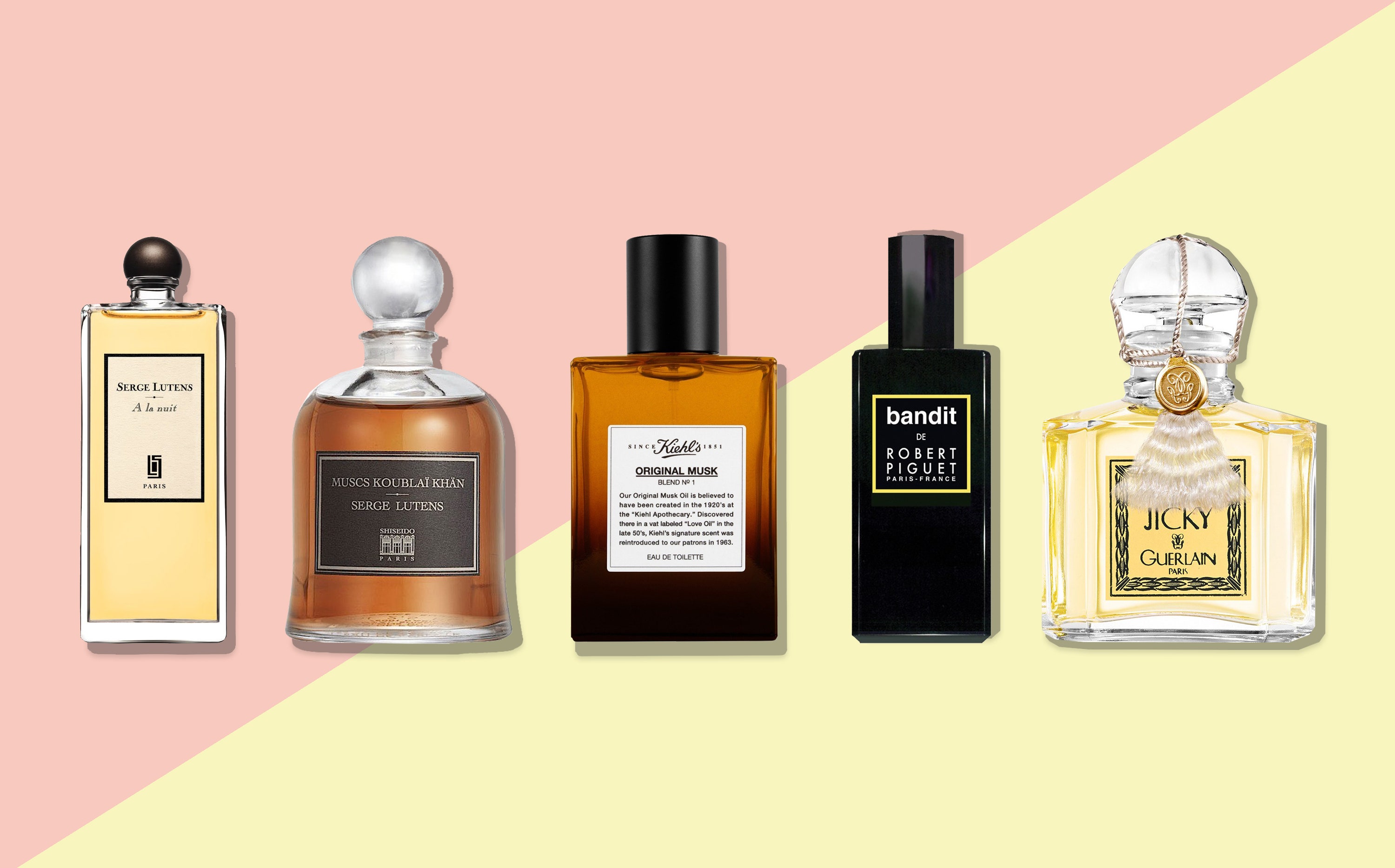
The Big Picture: Fragrance is a quiet storyteller in your beauty routine, revealing itself in chapters as it meets your skin. Perfumers build scents using a pyramid of top notes, heart notes, and base notes, each unfolding at a different pace due to volatility and your unique skin chemistry. The first minutes are bright and airy, the middle becomes rounded and expressive, and the final hours settle into something warm and intimate called the drydown. Temperature, humidity, and even how moisturized your skin is can shift how a perfume wears, so a scent that sparkles on one person might smolder on another. Embracing this evolution turns choosing a perfume from guesswork into a mindful ritual. Approach every test with patience, notice how your mood changes as the facets develop, and trust the moments when a fragrance feels like an extension of your style. When the arc from first spritz to last whisper stays delightful, you have found a promising match.
Top Notes, First Impressions: The opening is where top notes do their dazzling work, often featuring citrus like bergamot or grapefruit, crisp aromatics such as mint and basil, or airy aldehydic and aquatic touches. These molecules evaporate quickly, giving you a bright hello that sets the tone. Expect sparkle, lift, and quick diffusion that helps a scent feel clean, energetic, or effervescent. Do not decide too fast, though; what feels zingy in the first minute can soften rapidly. If you crave freshness, seek top accords that pair citrus with light herbs or green facets for a breezy effect. For daytime or active moments, a lively opening can feel especially polished. When testing, spray once, let the alcohol flash off, then breathe normally rather than huffing close to skin. Notice projection, or sillage, in the air around you, and observe how the top gracefully hands the spotlight to the heart.
Heart Notes, The Personality: After the opening, the heart notes expand and define the fragrance's character. Here you will find florals like rose, jasmine, or ylang-ylang; spices such as cardamom or cinnamon; fruity hints of pear or peach; and nuanced greens like violet leaf or tea. This stage lasts longer than the top and does the real talking. If a scent feels comfortable and authentic in the heart, you are close to a fit. Look for balance between sweetness and freshness, softness and brightness, warmth and clarity. A floral heart can read romantic or assertive depending on its partners; a lavender heart may feel soothing and crisp; a spiced heart adds intrigue without overwhelming. Many modern blends are beautifully unisex, shaped by the interplay of herbs, woods, and petals rather than rigid categories. Pay attention to transitions: does the heart stay smooth, or does it spike sharply? The best matches breathe with you, evolving but staying coherent from pulse point to air.
Base Notes, The Lasting Memory: The final chapter belongs to base notes, the anchors that linger for hours and leave your trail. Think woods like cedar, sandalwood, and guaiac; resins and ambers such as labdanum and benzoin; earthy patchouli and vetiver; plush musk, creamy tonka, and comforting vanilla; even smoky facets like incense or oud. These materials provide structure, warmth, and longevity, acting like fixatives that slow evaporation. If you want a cocooning feel, seek milky sandalwood, ambered vanilla, or musky skinscents. For something drier and elegant, vetiver or cedar can add crisp backbone. Moisturized skin often helps bases bloom more evenly, and a light, unscented lotion can enhance drydown comfort. Apply sparingly on fabric if the formula permits, but test first to avoid stains. Notice how your fragrance behaves in cooler rooms versus warm afternoons. When the base is harmonious, it feels like a low, confident hum that stays with you without shouting.
Families And Accords: To navigate choice quickly, learn fragrance families and accords. Broad families include floral (from dewy petals to opulent bouquets), woody (cedar, sandalwood, vetiver), amber or oriental styles (resins, vanilla, spice), fresh and citrus (zesty, aquatic, green), aromatic (herbs, lavender), gourmand (edible comfort like cocoa or caramel), plus heritage structures like chypre (citrus, labdanum, mossy woods) and fougère (lavender, oakmoss, coumarin). Accords are purposeful combinations such as citrus-woody for clean confidence, rose-oud for plush drama, vanilla-amber for cozy sweetness, or green-tea-musk for serene minimalism. Matching mood to family simplifies selection: floral for elegance, woody for poise, fresh for clarity, amber for warmth, gourmand for indulgence. Consider context as well: crisp accords shine in bright spaces, while resinous blends feel enveloping when you want presence. Understanding families does not limit you; it expands your map so you can wander with intent and spot the notes you naturally love.
Test Like A Pro: Sampling method matters as much as the bottle. Start with a blotter to screen broadly, then move promising options to skin where chemistry tells the truth. Do not rub wrists together; friction can distort the top notes. Try two to four scents per session, placing them on separate pulse points. Step into fresh air and assess sillage while moving, since real life is not a still sniff. Give each candidate time across the arc: immediate sparkle, evolving heart, and settled base. If your nose tires, pause, breathe through your elbow or neutral fabric, and drink water; the coffee myth is often overstated. Keep simple notes about facets you detect and how they make you feel. Test on days with your usual moisturizer and no competing fragrances. Revisit the same sample across different moments to confirm versatility. The right scent feels consistent yet nuanced, never fighting your natural presence or routine.
Layering And Wardrobe: Building a scent wardrobe extends your beauty toolkit. Think in roles: a bright daily driver, a polished meeting scent, a cozy comfort cloud, a luminous evening aura. Practice layering by pairing complementary profiles: citrus over vanilla for sparkling warmth, lavender with soft woods for calm clarity, jasmine with clean musk for radiant lift, or a green tea hint under a gourmand to cut sweetness. Start sheer and add depth slowly; one light spray of the base, followed by a brighter accent at a distance, keeps balance. Coordinate with body products too: unscented lotion for neutrality, or a matching-scented oil to amplify longevity. Mist hair lightly for gentle diffusion, and consider fabric-safe sprays for scarves. Rotate with intention rather than impulse, and track which combinations draw compliments or make you feel grounded. Store bottles away from heat and light so the notes stay true, and decant travel sizes to protect your favorites on the go.
Make It Yours: Performance depends on concentration and composition. Know the spectrum from cologne and EDT to EDP, parfum, and extrait; higher concentration often means richer base notes and longer wear, though ingredients and your skin still rule. Dry skin may drink fragrance, so moisturize first and consider pulse points plus a light mist over clothing when suitable. Think about values too: naturals versus synthetics, cruelty-free commitments, vegan options, and materials sourced with care. Patch test if you have sensitivities, and choose gentle musk or clean wood profiles when environments call for soft presence. Practice etiquette in close quarters by moderating sprays and respecting shared spaces. A signature scent is wonderful, but a small rotation can keep you inspired across moods and settings. Reapply thoughtfully with travel sprays, focusing on wrists or the back of the neck. The best fragrance should feel like confidence you wear, a quiet aura that moves with you and enhances your story.