Culinary Journeys: Discovering Cities Through Their Food
From sizzling street stalls to storied markets, explore how each city's flavors reveal its history, people, and everyday rhythm.
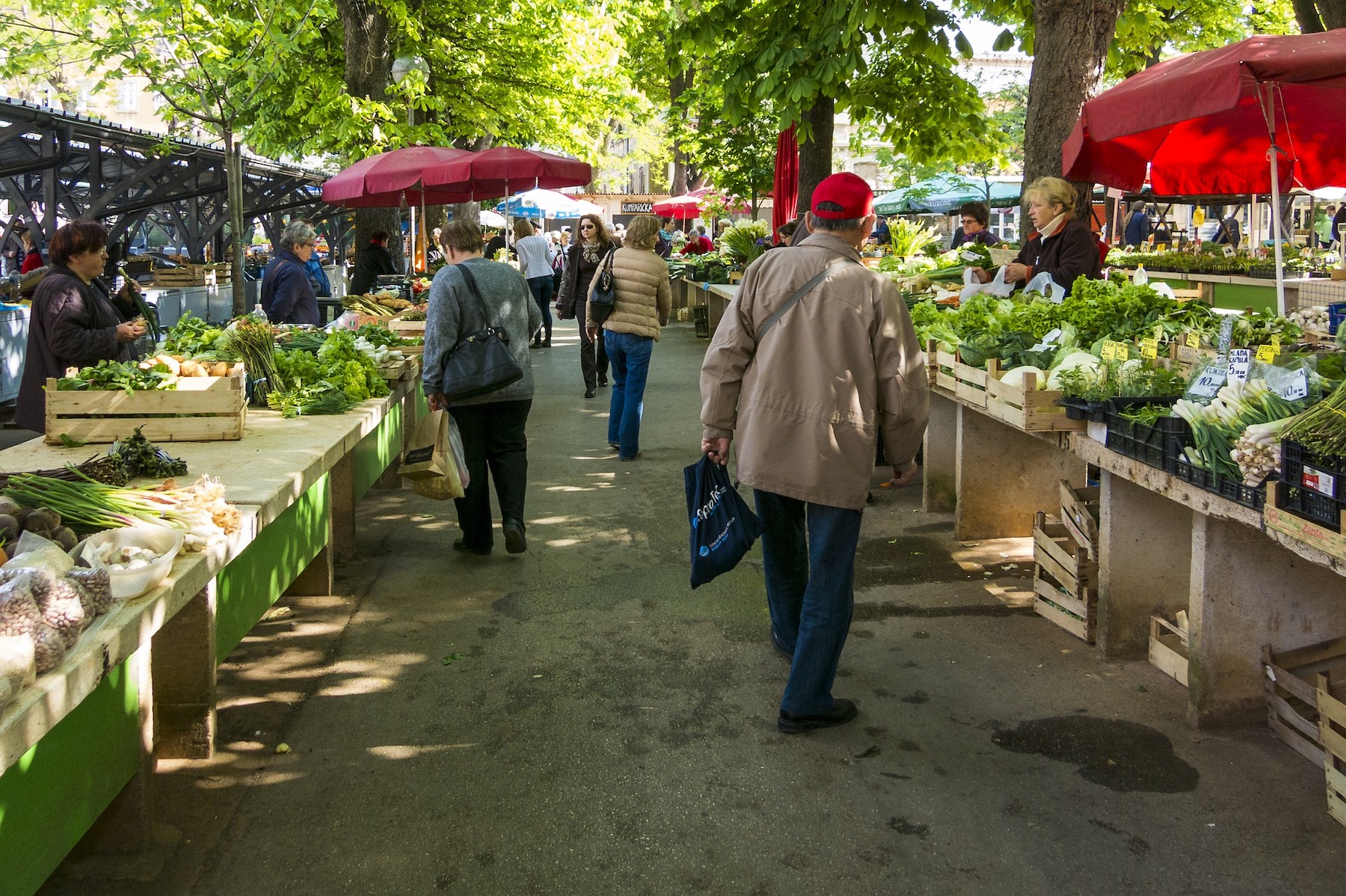
Market Mornings
The quickest way to understand a city is to wander its street markets, where voices mingle with the snap of fresh herbs and the crackle of griddles. Arrive early and you will see seasonal produce piled in vivid pyramids, fish glistening on ice, and baskets of spices perfuming the air. Sample as you go: a flaky savory pastry, a skewer dripping with marinade, a slice of brined cheese, a still-warm bun stuffed with greens, or a paper cone of candied nuts. Talk to vendors about regional flavors and how locals cook them; many will happily recommend a stall tucked just out of sight. Follow the cues of regulars, noting how they queue, pay, and season their food. Sketch a sensory map as you move: sour pickles at one corner, charcoal at another, bright citrus further on. Markets are not only places to buy; they are living classrooms where appetite meets geography, history, and daily life.
Neighborhood Bites
Every district tells its story through what simmers behind windows and what grills curbside. Seek small bakeries with queues, neighborhood diners, and family-owned counters; they anchor neighborhood identity as surely as murals and street names. In many cities, immigrant communities shape the menu, yielding fusion plates that taste both new and familiar: noodles tangled with local greens, flatbreads brushed with unexpected oils, soups brightened by herbs from faraway gardens. Balance discovery with comfort by rotating between institutions known to residents and tiny newcomers. Let a day's walk become a tasting route: a bitter coffee at dawn, a snack from a food truck at midday, a shared platter at dusk. Ask regulars which condiment belongs on which bite; etiquette matters and reveals care. As you explore, notice architecture, parks, and transit nodes that surround each stop. Food is not separate from place; it is the edible handwriting of a street, a block, a community.
Icons on a Plate
Signature dishes act like passports, stamped by culinary heritage and ritual. Learn their components before ordering: broth weight in a beloved noodle soup, the chew of a hand-stretched dough, the char around skewered meats, the harmony of rice, pickles, and stew. Watch how locals build each bite, from layering sauces to timing a squeeze of citrus. Respect rituals that guard texture and temperature; some plates are meant to be eaten immediately, others to rest a moment. Ask about origins and you will hear stories of harvests, migration, and celebration. Pairing matters too: a crisp salad beside something rich, a fermented note to refresh the palate, or a simple tea that keeps aromas clear. Take notes on signature dishes across neighborhoods and compare their accents—spice levels, herb choices, cooking fats. These small differences reveal how a city negotiates tradition and trend, memory and innovation, on a single plate.
From Dawn to Dusk
Every destination has a meal cadence that shapes how locals move, meet, and rest. Attune your schedule to it. Start with breakfast rituals—street-side griddles sending out sizzling batter, yogurt vendors stirring in fruit, bakers sliding loaves from hot ovens. Lunchtime may swell with office crowds chasing quick sets or leisurely courses that invite conversation. Afternoons open a snacking culture of sweets, filled buns, or crunchy bites paired with strong tea. Evenings might turn social, when small plates migrate from bar tops to shared tables and conversations stretch while grills glow. Night owls will find bowls of broth, smoky skewers, or stuffed pastries feeding post-theater wanderers. Noticing this rhythm helps you choose where and when to eat, avoid queues, and meet the people who animate a city. Map your day to the daily rhythm of kitchens and alleys, and you will taste not just dishes, but the tempo of place.
Cooking With Locals
For deeper insight, step from dining room to stove with home cooking experiences and market-to-table classes. Shopping alongside an instructor reveals how cooks judge ripeness by scent, test fish by sheen, and pick spices by touch. In a kitchen, hands-on learning turns unknown ingredients into confidence: toasting seeds until they sing, balancing sour and heat, folding dumplings so they seal with a satisfying click. Conversation flows as recipes unfold; you hear about holidays, shortcuts, and the grandmother who taught a technique. Many teachers highlight sustainability too—using whole vegetables, repurposing leftovers, and choosing local varieties to support growers. You leave with a shopping list, a sense of proportion, and the calm that comes from repeating a motion until it feels natural. Later, when you meet a menu on the street, you will recognize it as a friend, understanding choices behind texture, aroma, and garnish.
Practical Palate
Curiosity tastes best when paired with care. Learn a few food words and numbers so ordering flows; a smile and thanks go far. Check for cues about food safety—busy turnover, clean prep areas, and hot dishes served hot. If you have preferences or restrictions, carry them written in the local language and confirm politely. Budget by mixing humble counters with special splurges; both reveal value. In markets, observe prices before you buy and weigh only what you plan to eat. In restaurants, watch local etiquette for sharing, tipping, and queuing. Hydrate, pace yourself, and keep a small kit: napkins, hand sanitizer, a reusable bottle and tote. Track finds in a pocket notebook; it sharpens memory and guides your next stop. Above all, keep respect and curiosity at the center. Cities open their kitchens to travelers who listen, taste widely, and honor the people feeding them.